In today's diligent consumer landscape, the need for fairly sourced as well as sustainable items has risen. Private label food manufacturers have actually become innovators in this domain name, typically working together with agreement food manufacturers to spearhead sustainability as well as liable sourcing efforts. With a resolute dedication to ecological values, exclusive label brand names have actually made it their goal to supply sustainable, high-quality choices to customers.
Private Label Food Manufacturers
In recent times, private label food manufacturers, likewise known as own brand names or store brand names, have actually experienced an exceptional surge in popularity. These manufacturers create items sold under the logo design of a retail store, grocer, or exclusive entity. What collections private-label items apart is their capability to use competitive prices without endangering on top quality.
Contract Food Manufacturers

Numerous private-label food producers sign up with pressures with agreement producers to develop their line of product. Contract food suppliers are experts in creating foodstuff for private tags. This critical partnership allows private label business to take advantage of the proficiency, sources, as well as specialized food manufacturing facilities of their collaborators.
Sustainability at the Core
Private label food manufacturers use various strategies to improve sustainability within their supply networks:
Moral Sourcing:
Private label companies are increasingly dedicated to sourcing ingredients according to moral and fair trade requirements. This entails making sure that manufacturers and workers of basic materials, such as coffee beans, flavors, or cacao, get reasonable compensation for their initiatives.
Neighborhood Sourcing:
Focusing on local sourcing of active ingredients is one more hallmark of private-label food makers. This not only lowers the carbon impact connected with transport yet also sustains neighborhood farmers and also communities.
Organic Contents:
With the health food market on the rise, personal labels are reacting by including natural active ingredients into their line of product. Organic farming methods prioritize soil health while avoiding artificial chemicals and also fertilizers.
Lasting Fish and shellfish:
Private Label Food Manufacturers are diligent in making sure that the seafood they make use of is sustainably harvested, adhering to standards set by organizations like the Marine Stewardship Council, which advertises accountable angling.
Minimized Food Waste:
Personal label companies are actively dealing with minimizing food waste by carrying out reliable manufacturing procedures and establishing items with longer service life. Some brand names are also partnering with food rescue organizations to contribute surplus food to those in requirement.
Eco-Friendly Product Packaging and Initiatives
Sustainability initiatives by private-label food suppliers prolong beyond sourcing ingredients to encompass product packaging and environment-friendly initiatives:
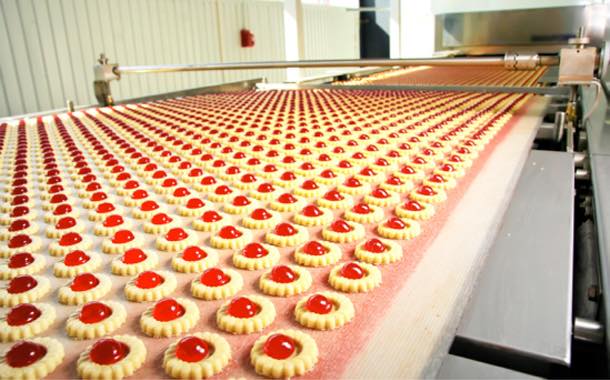
Private label brand names have actually welcomed green packaging options, including recyclable, eco-friendly, or compostable products. Upgrading packaging to lessen excess material as well as reduce environmental influence is a leading priority.
Waste Decrease:
To minimize wastefulness, private-label food makers optimize item dimensions, minimize excess product packaging, and also discover innovative packaging services. Some brands also motivate consumers to take part in reusing programs.
Energy Performance:
Many exclusive label makers are buying more energy-efficient production plants, reducing water use, as well as adopting renewable energy sources to further reduce their environmental impact.
Carbon Neutral Initiatives:
Some exclusive brand food manufacturers are taking enthusiastic steps to attain carbon nonpartisanship by offsetting their greenhouse gas discharges through reforestation tasks and also renewable energy credit ratings.
Obstacles as well as the Roadway Ahead
Despite the substantial strides made in sustainability and also liable sourcing, private-label food suppliers deal with difficulties. Stabilizing sustainability with cost-effectiveness can be a delicate act, sometimes requiring compromises on sustainable components or the expedition of green choices.
However, the future of private-label food manufacturing holds great guarantee. As consumer recognition and demand for lasting products remain to climb, private-label brand names as well as their agreement food manufacturing companions are most likely to increase their efforts. Cooperation with distributors and financial investment in sustainable technological developments as well as openness will be critical fit a sustainable future for the market.
Regularly Asked Concerns
Q1: What are private label food manufacturers?
Private label food manufacturers generate products offered under the logo design of a retail store, grocer, or private entity. They provide competitively priced products without jeopardizing on top quality.
Q2: Exactly how do private label food manufacturers promote sustainability?
Private label food manufacturers promote sustainability through moral sourcing, regional ingredient procurement, making use of natural components, sustainable fish and shellfish practices, and efforts to reduce food waste.
Q3: What environmentally friendly packaging options do private label brands use?
Private label brands embrace environment-friendly product packaging alternatives such as recyclable, naturally degradable, or compostable materials. They additionally redesign packaging to reduce excess material and reduce ecological impact.
Q4: What challenges do private label food manufacturers encounter in sustainability efforts?
Balancing sustainability with cost-effectiveness is a major difficulty for private label food manufacturers. This may call for compromises on sustainable ingredients or the exploration of eco-friendly options.
Final thought
Private label food manufacturers go to the forefront of the sustainability and also liable sourcing movement within the food sector. Their dedication to ethical sourcing, local purchase, natural ingredients, and also sustainable techniques, along with their commitment to environment-friendly packaging and waste reduction initiatives, show their determination to satisfy the demands these days's eco-conscious consumers.
Despite the obstacles they deal with, private label food manufacturers are positioned for an encouraging future. With customers increasingly prioritizing sustainability, the sector is likely to witness also better private label food collaboration with vendors, financial investment in lasting technologies, and also a dedication to transparency. As we progress, private label food manufacturers will certainly remain to play a crucial function in shaping a more lasting as well as honest food landscape for all.